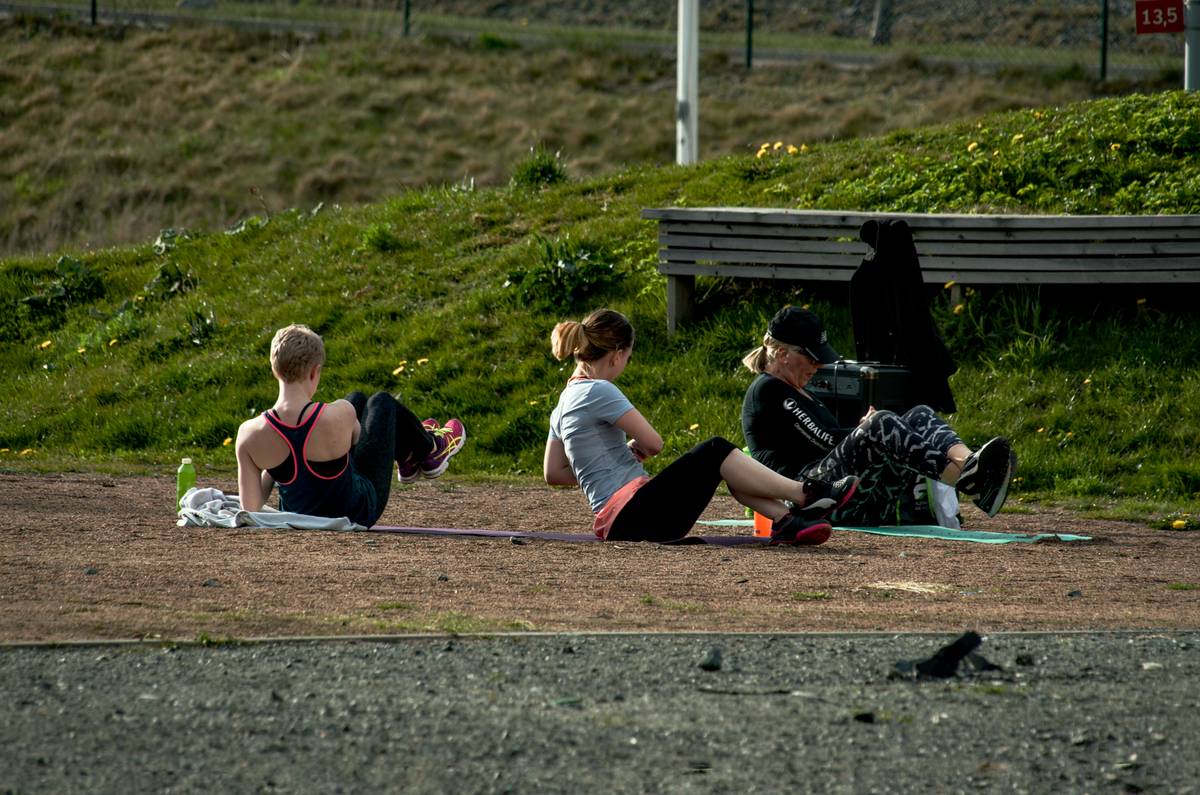
Most people treat fitness like a chore—treadmills, fluorescent lights, recycled air. They grind through reps with zero joy, then wonder why they burn out in six weeks. But what if the real problem isn’t laziness or lack of willpower? What if it’s the environment itself? The solution isn’t more discipline—it’s stepping outside. The physical health benefits of outdoor exercise go far beyond calorie burn. They rebuild your body from the ground up—literally.
Why Indoor Workouts Fail Long-Term
Gyms promise results but deliver monotony. You’re stuck repeating the same motion on flat surfaces with artificial resistance. Your joints adapt—but not in ways that prepare you for real life. And worse: indoor air quality is often 2–5 times worse than outdoors (EPA data). You’re breathing VOCs while trying to get healthy. Irony, right?
Nature doesn’t offer cushioned treadmills. It offers uneven terrain, wind resistance, temperature shifts—all forcing your stabilizer muscles, proprioception, and cardiovascular system to work smarter. Indoor training builds isolated strength. Outdoor movement builds functional resilience.
Physical Health Benefits of Outdoor Exercise: A Practical Framework
Forget “just go for a walk.” Real outdoor fitness requires intentionality. Here’s how to maximize physiological returns without fancy gear—or a gym membership.
Embrace Variable Terrain
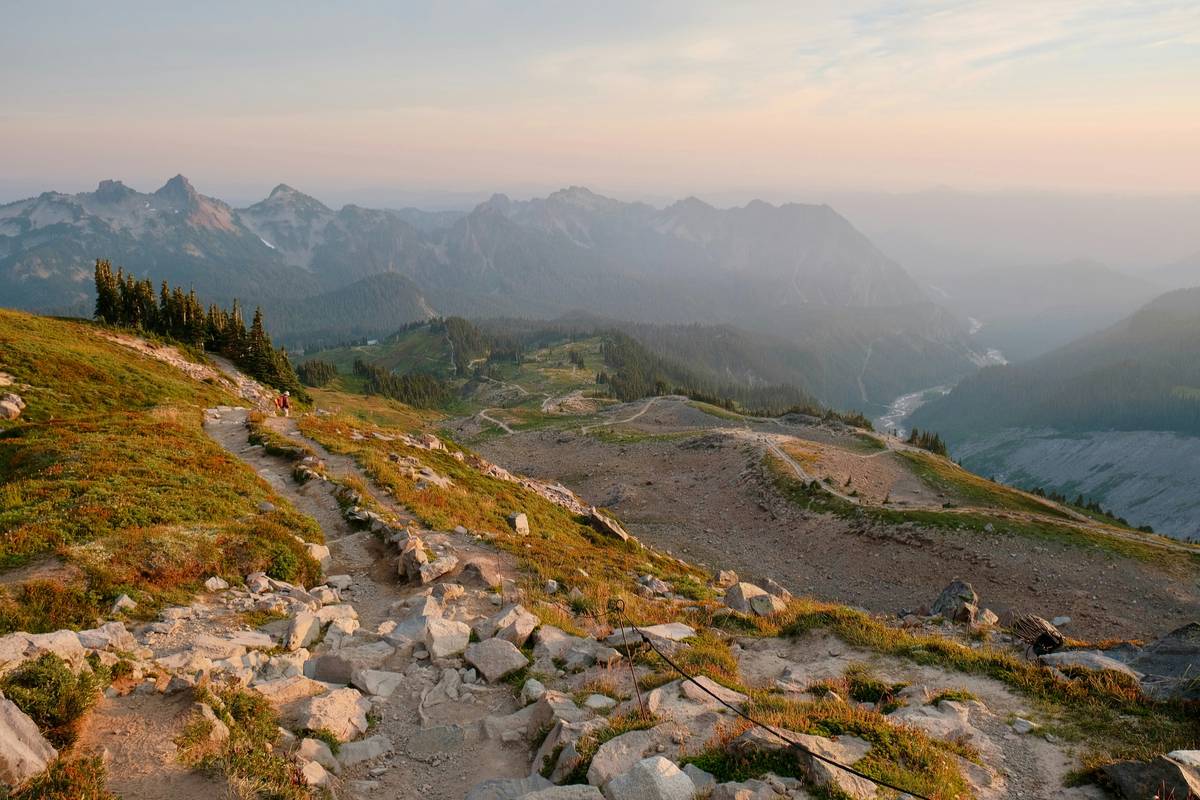
Hiking on trails with roots, rocks, and inclines activates glutes, calves, and core in ways asphalt never can. A 2022 University of Exeter study found trail runners had 27% greater ankle stability than road runners after 12 weeks. Ground variability = joint intelligence.
Leverage Natural Resistance
No sandbags? Use boulders. No pull-up bar? Find a sturdy branch. Sand, snow, mud—each adds drag that forces your body to recruit extra muscle fibers. This isn’t just harder—it’s more efficient. One hour outside can equal 90 minutes indoors in metabolic demand.
Sync With Circadian Rhythms
Morning sunlight regulates cortisol and melatonin. Train outside before 10 a.m., and you’ll sleep deeper, recover faster, and reduce systemic inflammation. Vitamin D synthesis alone boosts immune function and calcium absorption—critical for bone density.
| Workout Type | Calorie Burn (Avg/hr) | Joint Impact | Vitamin D Exposure | Cognitive Boost |
|---|---|---|---|---|
| Treadmill Running | 500–650 | High (repetitive stress) | None | Low |
| Trail Hiking (moderate incline) | 450–700 | Low-Moderate (adaptive loading) | High (with sun exposure) | Significant |
| River Rock Climbing | 600–800 | Moderate (grip & balance focus) | High | Very High |
| Beach Sprint Intervals | 700–900 | Moderate (sand absorbs impact) | High | High |
The Industry Secret: Nature’s Micro-Stressors Are Your Recovery Tool
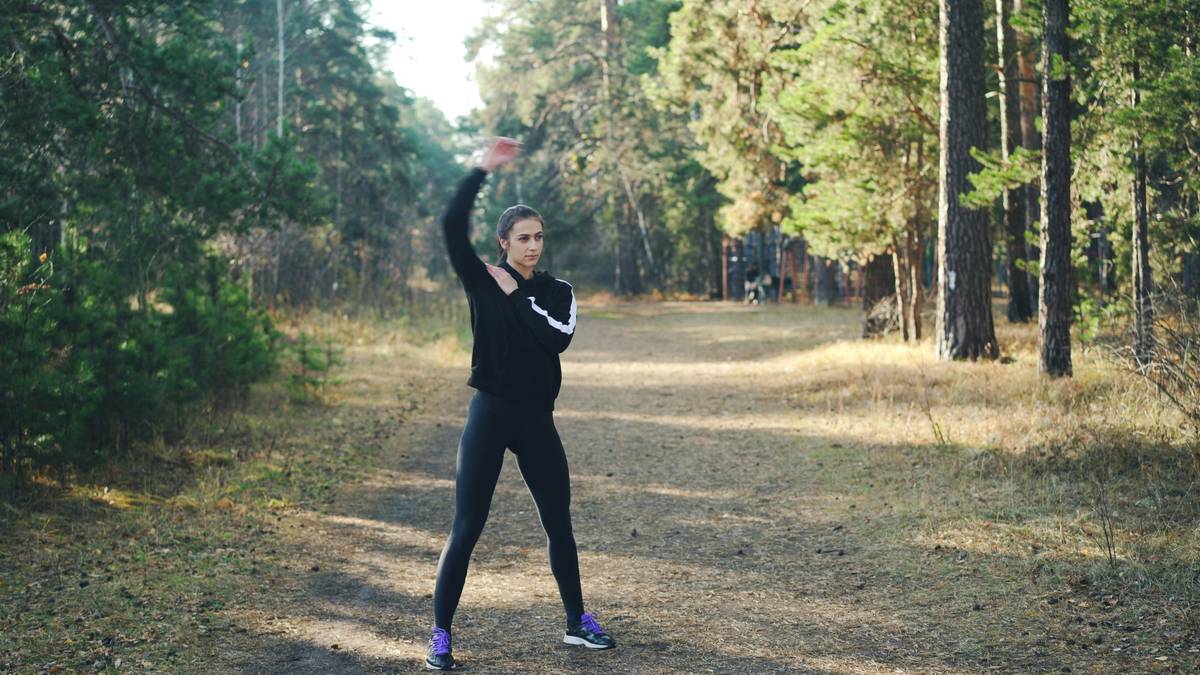
Here’s what no fitness app tells you: brief exposure to natural stressors—cold streams, wind, altitude shifts—triggers hormesis. Your body responds by upregulating antioxidants, heat-shock proteins, and mitochondrial biogenesis. Translation? You get stronger at the cellular level. Elite mountaineers don’t just train hard—they train *in context*. That muddy scramble after rain isn’t just conditioning; it’s immune modulation. And yes, getting slightly cold during a morning trek spikes norepinephrine by 200–300%, sharpening focus and fat oxidation for hours. Big gyms sell consistency. Nature sells adaptation—and adaptation beats repetition every time.
Frequently Asked Questions
Does outdoor exercise really burn more calories than indoor workouts?
Often, yes—due to wind resistance, terrain changes, and temperature regulation. A trail run typically burns 5–15% more calories than the same pace on a treadmill.
Can outdoor workouts improve heart health better than gym sessions?
Absolutely. Variable elevation and natural pacing lower resting heart rate and improve HRV (heart rate variability)—key markers of cardiovascular resilience—more effectively than steady-state indoor cardio.
Is it safe to exercise outside in cold weather?
Yes—with preparation. Cold air increases lung capacity over time and boosts brown fat activation for metabolism. Just layer properly and avoid extreme wind chill below -18°F (-28°C).