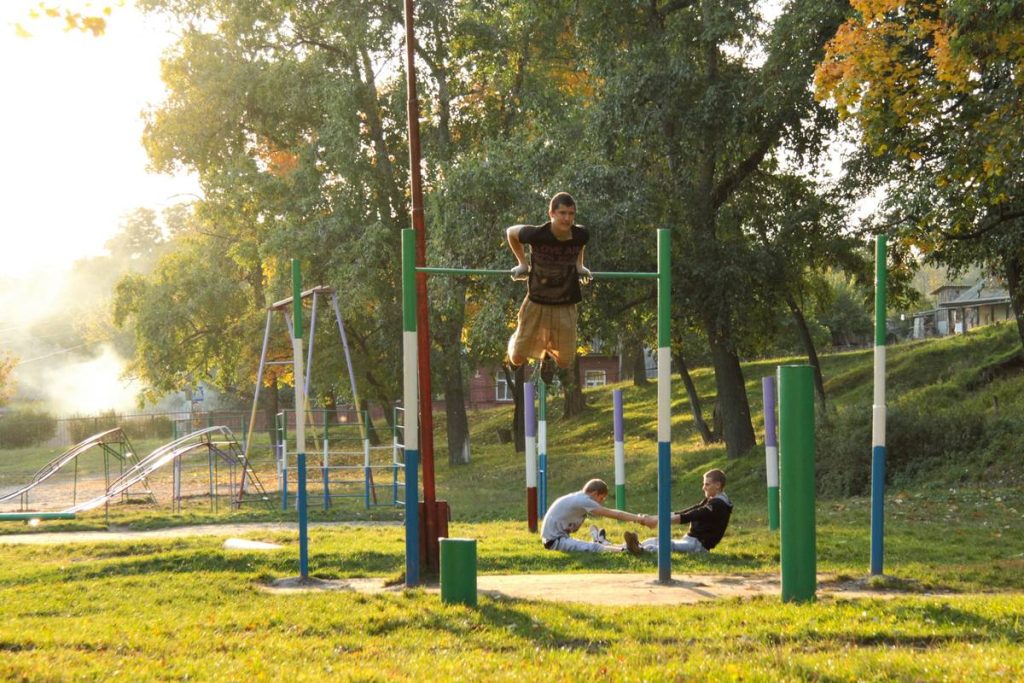
Most people chase fitness in fluorescent-lit gyms, grinding on treadmills while staring at blank walls. They’re missing something vital—something their bodies evolved to crave. The physical benefits of being outdoors aren’t just “nice to have.” They’re non-negotiable for lasting strength, resilience, and metabolic health. Here’s how nature outperforms every piece of equipment ever manufactured.
Why Indoor-Only Fitness Fails Long-Term
Gyms offer control—but at a cost. Treadmills flatten terrain. Resistance machines isolate muscles unnaturally. Climate stays constant. Your nervous system? Bored stiff. And boredom kills adaptation.
Outdoor movement forces unpredictability—roots to dodge, slopes to climb, wind resistance to push through. That chaos is precisely what builds functional strength. Indoor workouts rarely challenge proprioception, balance, or environmental awareness. You get strong in theory—not in reality.
Physical Benefits of Being Outdoors: A Practical Field Guide
Forget vague advice like “go for a walk.” Real outdoor fitness demands structure with flexibility. Start small, but start with intent.
Vary Terrain, Not Just Reps
Hiking isn’t cardio—it’s full-body calibration. Ascending switchbacks engages glutes and stabilizers in ways squats can’t replicate. Descending? Eccentric loading that torches DOMS resistance over time. Mix gravel, sand, mud, and rock. Your joints will thank you.
Sunlight = Performance Fuel
Vitamin D isn’t just for bones. It modulates testosterone, reduces inflammation, and enhances mitochondrial efficiency. Train outside at solar noon twice weekly—even 15 minutes moves the needle.
Cold Exposure Builds Metabolic Flexibility
Morning trail runs in chilly air activate brown fat. That’s not weight-loss fluff—it’s real thermogenic adaptation. Your body learns to burn fuel smarter, not harder.

| Environment | Caloric Burn (Per Hour) | Unique Physical Stimulus | Cost |
|---|---|---|---|
| Gym (Treadmill + Weights) | 400–600 kcal | Isolated muscle fatigue | $30–$100/month |
| Forest Trail Hike (Moderate Grade) | 500–750 kcal | Dynamic balance + uneven load distribution | $0 |
| Riverbank Sprint Intervals | 650–900 kcal | Water resistance + unstable footing | $0 |
| Mountain Ascent (Backpack 15 lbs) | 800–1,100 kcal | Altitude hypoxia + loaded locomotion | $0 (plus gear amortization) |
Recovery Happens Faster Outside—Here’s Why
Grounding (walking barefoot on soil/grass) reduces cortisol spikes post-exercise. Phytoncides from trees lower inflammatory markers like IL-6. These aren’t hippie myths—they’re measurable biochemical shifts confirmed by Japanese shinrin-yoku studies.
The Industry Secret: Nature Triggers Adaptive Hormesis
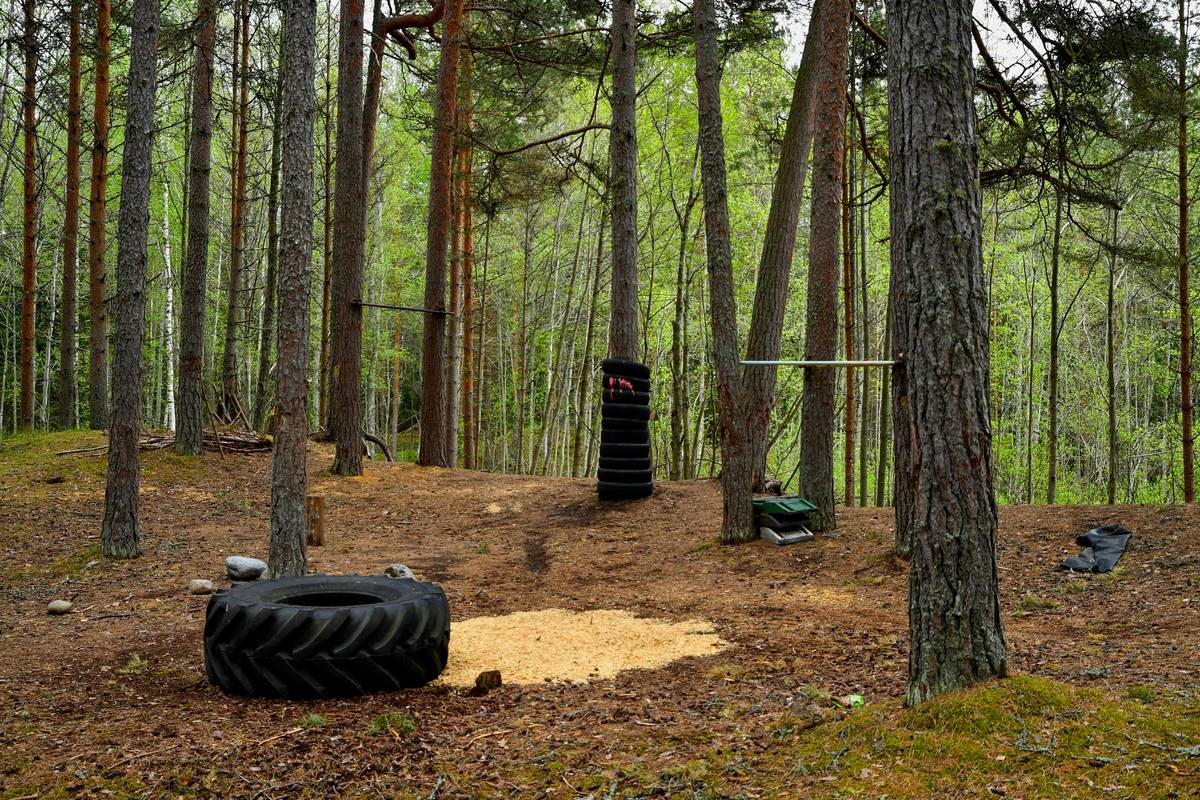
Most trainers obsess over progressive overload. But they ignore a deeper lever: hormetic stress. Short bursts of cold, heat, altitude, or even mild dehydration signal your DNA to upregulate repair pathways. Gyms buffer all of this away. Outdoors, your body doesn’t just endure—it upgrades.
Think about it: A 45-minute forest run with elevation changes triggers more cellular cleanup (autophagy) than a sterile HIIT session indoors. The math is simple. Natural variability = superior adaptation.
And—here’s the kicker—your mitochondria multiply faster when exposed to natural light cycles and seasonal temperature shifts. Labs can mimic this… poorly. Nature does it effortlessly.
Frequently Asked Questions
Does walking outside burn more calories than on a treadmill?
Yes—due to wind resistance, terrain changes, and micro-movements for balance. Expect 10–20% higher caloric expenditure at the same perceived effort.
How much time outdoors is needed for measurable physical benefits?
Just 120 minutes weekly (split over 2–3 sessions) significantly improves cardiovascular markers, insulin sensitivity, and muscular endurance in sedentary adults.
Can outdoor workouts replace gym training entirely?
For general fitness and survival-ready strength—absolutely. But sport-specific power (e.g., heavy deadlifts) may still require controlled resistance. Blend both intelligently.