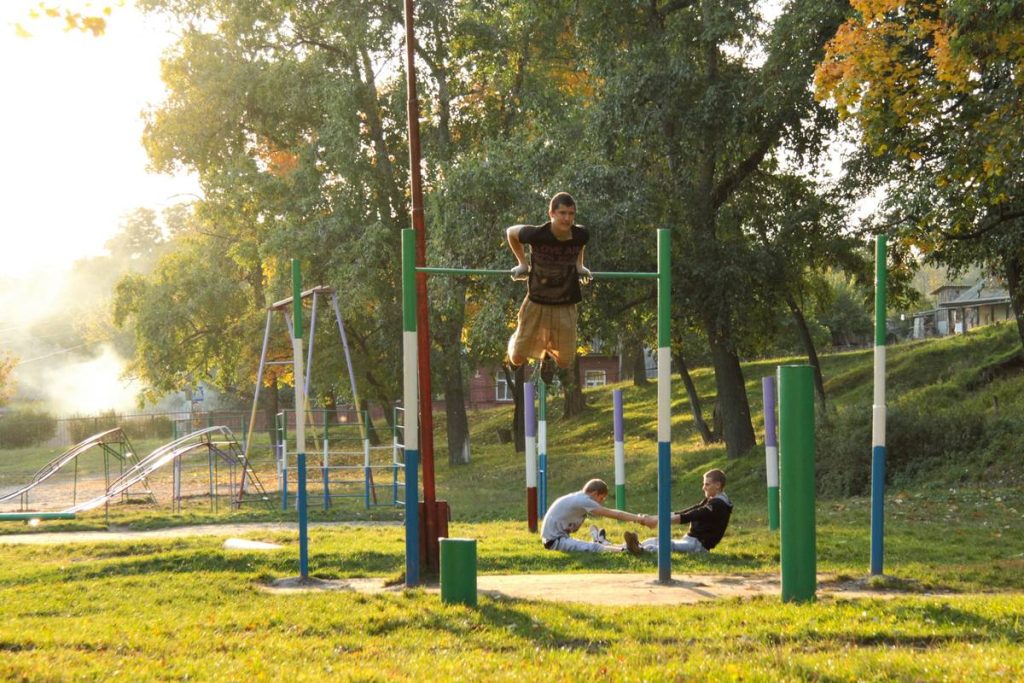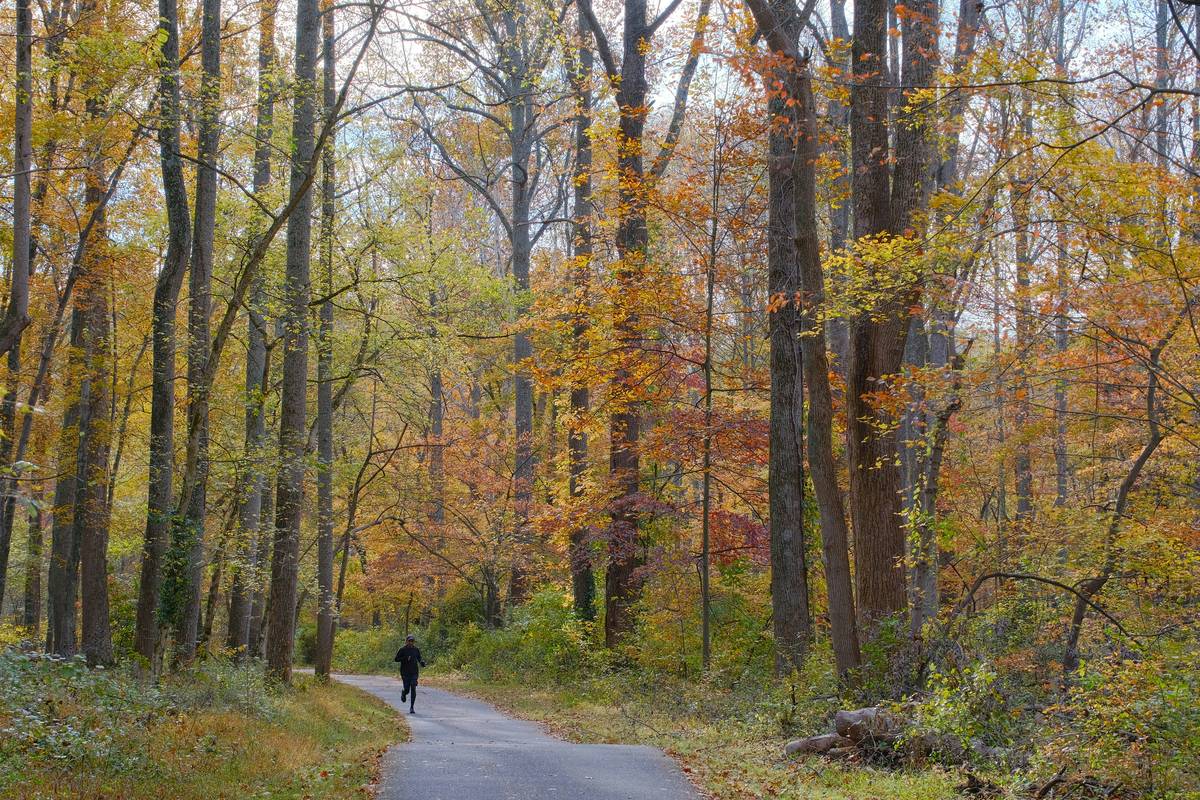
You signed up for that gym membership. You downloaded three fitness apps. And yet—two weeks in—you’re right back on the couch, sore in all the wrong places and demotivated. Indoor routines feel artificial, disconnected from real life. What if your path to real strength starts not under fluorescent lights, but beneath open sky? This beginners guide to fitness rejects treadmills in favor of trails, squats on concrete for lunges over logs. It’s time to train like your ancestors did: outside, adaptive, alive.
Why the Gym Fails Most Newcomers
Gyms assume you already know how to move. They don’t teach balance on uneven ground or resilience against wind and rain. Worst of all—they reward repetition over adaptation. Your body thrives on unpredictability. Indoors, every step is pre-measured, every machine calibrated to isolate muscles in ways nature never intended.
And here’s the irony: most “beginner” programs ramp up intensity too fast while ignoring functional movement patterns you’ll actually use—like hauling firewood, scrambling up a scree slope, or stabilizing yourself on a wobbly riverbank.
Beginners Guide to Fitness: 4 Outdoor Foundations
Forget burpees in a mirror-lined box. Real fitness begins with terrain, gravity, and weather as your coaches. Start here:
Step 1: Master Ground Contact
Walk barefoot on sand, grass, or gravel for 10 minutes daily. Calluses aren’t just tough skin—they’re sensory feedback systems. Reconnect feet to earth before adding load. Strong feet = strong foundation.
Step 2: Carry Uneven Loads
Fill two backpacks—one heavier than the other—and hike a loop trail. Switch shoulders every 5 minutes. This builds asymmetrical core stability far better than planks. Real-world loads aren’t balanced. Train accordingly.
Step 3: Climb Before You Run
Find a safe boulder field or low tree limbs. Practice pulling your body upward using arms and legs in coordination. Climbing activates posterior chains (glutes, hamstrings, lats) neglected by flat-ground cardio. It’s full-body resistance without a single dumbbell.
Step 4: Rest Like a Predator, Not Prey
Lie still in tall grass for 7 minutes after exertion. Breathe deep. Listen. True recovery isn’t passive—it’s active recalibration. Your nervous system resets faster when immersed in natural silence versus gym chatter or podcast noise.

| Method | Cost | Space Needed | Functional Carryover |
|---|---|---|---|
| Gym Membership | $30–$100/month | Indoor facility | Low (machine-specific) |
| Home Dumbbells | $100–$300 upfront | 10×10 ft room | Moderate |
| Outdoor Terrain Training | $0 (or cost of boots) | Park, trail, backyard | High (real-world movement) |

The Industry Secret No One Talks About
Elite survival athletes don’t track reps—they track resilience. The metric isn’t “how much weight” but “how quickly you recover after slipping on wet rock.” Here’s the truth: your cardiovascular system adapts fastest when stressed by environmental variables, not fixed RPMs on a bike. Cold mornings, humid afternoons, high-altitude thin air—they all force your mitochondria to become more efficient. That’s why outdoor newbies often outpace gym rats in real-world stamina within 8 weeks. The secret? Nature is the ultimate periodization coach—unpredictable, demanding, and free.
Frequently Asked Questions
Is outdoor fitness safe for absolute beginners?
Yes—if you start slow. Begin on flat, familiar trails. Avoid steep or exposed terrain until you’ve built ankle stability. Safety comes from awareness, not padding.
Do I need special gear to start?
Only sturdy shoes and weather-appropriate layers. Forget heart rate monitors. Your breath and fatigue are better indicators early on.
How often should I train outdoors as a beginner?
Three times weekly for 20–30 minutes. Consistency beats duration. Let your body adapt to ground contact and temperature shifts before increasing volume.