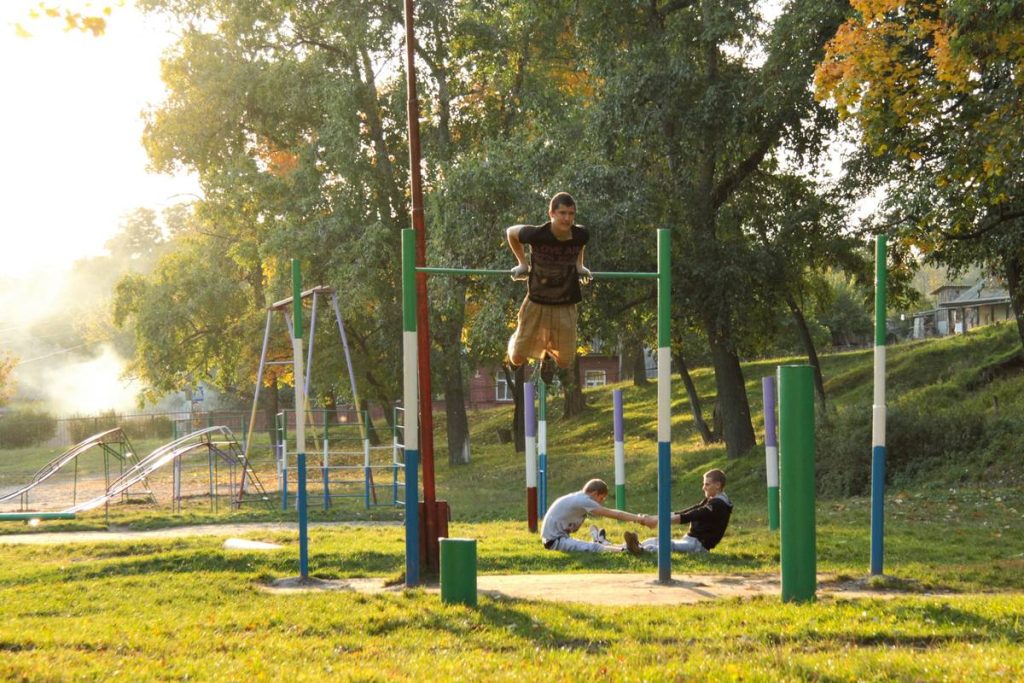
Most fitness routines fail the moment you step off pavement. You can deadlift twice your bodyweight—but struggle to carry firewood uphill or stabilize on uneven ground. The disconnect? Gym-based training ignores environmental chaos—wind, slope, fatigue, and unpredictability. Here’s the fix: embrace popular outdoor fitness trends that fuse athleticism with adaptability.
Why Traditional Workouts Don’t Translate to the Wild
Gyms offer controlled resistance. Nature doesn’t. A squat on rubber flooring teaches nothing about balancing on scree while hauling a pack. And that “functional fitness” class? It’s functional only in fluorescent lighting.
Your core might fire during a plank—but does it engage when you’re scrambling up a rain-slicked ridge at 6 a.m.? Unlikely. Standard programming lacks three critical elements: instability, load variability, and cognitive demand under stress. Without these, you’re just rehearsing movements—not building survival-ready resilience.
How to Train Like the Terrain Demands It
Outdoor fitness isn’t about Instagram poses on cliffs. It’s repeatable, scalable exposure to dynamic stressors. Start here:
Natural Movement Drills (Not “Calisthenics”)
Crawl through brush. Lift fallen logs. Sprint short bursts uphill. These aren’t gimmicks—they’re pattern rehearsals for real emergencies. Your nervous system learns to recruit muscles in chaotic sequences. That’s irreplaceable.
Load Carriage Conditioning
Backpack weight shifts. Water sloshes. Gear digs in. Train with variable loads—sandbags over dumbbells, uneven packs over barbells. Walk steep inclines. Then do it tired. Because rescue missions don’t wait for your “optimal recovery window.”
Environmental Exposure Protocols
Cold immersion. Heat acclimatization. Wind resistance training. These aren’t biohacks—they’re baseline adaptations. Your mitochondria respond differently when shivering versus sweating. Ignoring this limits endurance in unpredictable conditions.

| Trend | Primary Benefit | Time Commitment/Week | Minimal Gear Needed |
|---|---|---|---|
| Trail Intervals | Explosive hill power + joint stability | 2–3 hours | Trail shoes, hydration pack |
| Wilderness Carry Circuits | Load management + grip endurance | 3–4 hours | Sandbag or weighted backpack |
| Natural Obstacle Navigation | Spatial awareness + reactive agility | 2 hours | None (uses terrain) |

The Industry Secret No One Talks About
Elite mountain guides don’t chase PRs. They chase redundancy. Their secret? Train movement patterns in duplicate—then triple redundancy under fatigue. Example: if you can shoulder a 40-lb pack uphill after a 5-mile hike, you’ve built margin for error. Most recreational athletes train fresh. Guides train exhausted—because real survival happens when you’re already spent.
This flips conventional periodization. Instead of “peak and taper,” they “load and recover mid-strain.” It’s brutal. But it’s why they move efficiently during multi-day evacuations while others collapse.
FAQ
What are the biggest mistakes beginners make with outdoor fitness?
Skipping terrain adaptation. They run trails like roads—heel striking on descents, ignoring lateral instability. Result? Shin splints, rolled ankles, early burnout.
Do I need special gear to start these trends?
No. Start with what you own: a backpack, trail shoes, and local hills. Fancy gear follows proficiency—not the other way around.
How often should I train outdoors vs. in a gym?
Aim for 70% outdoor, 30% gym—if you must. Use the gym only to address specific imbalances identified during field sessions.