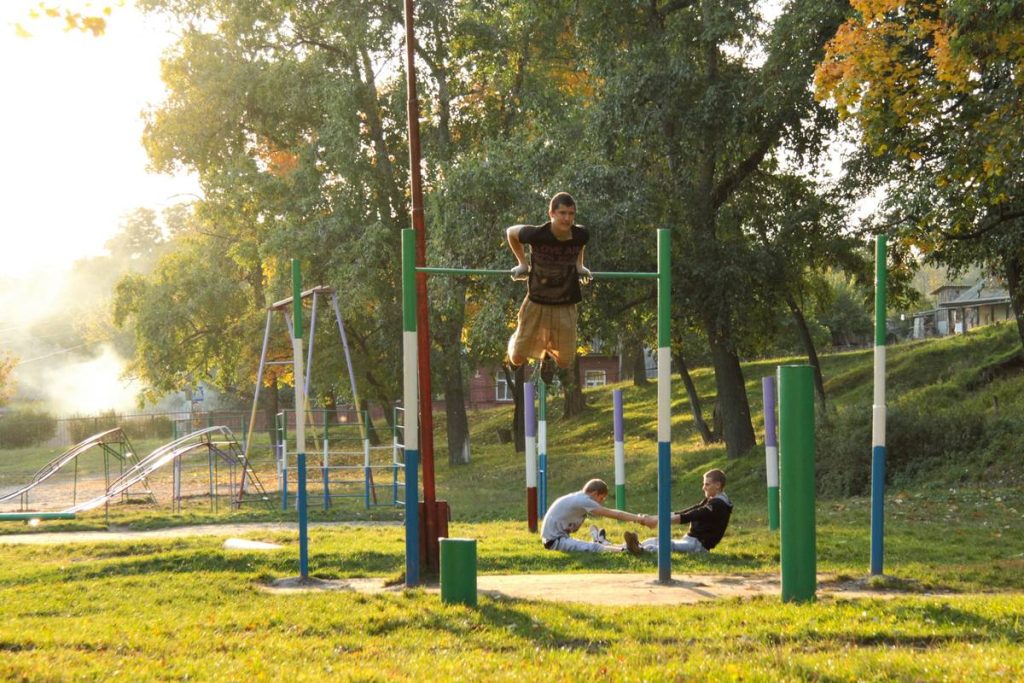
Most outdoor workouts fizzle out after two weeks. Why? They’re built on flimsy routines—jumping jacks in a park, push-ups on dewy grass—that ignore terrain, weather, and real-world stamina demands. You end up sore, unmotivated, and right back on the couch. But what if your backyard—or local trail—could become a rugged, results-driven gym that sharpens survival instincts while torching fat? The answer lies in purpose-built outdoor fitness course stations engineered for resilience, not just reps.
Why Generic Outdoor Workouts Fail (And Waste Your Time)
“Get outside and move!” sounds noble—until you realize most outdoor routines mimic indoor exercises with zero adaptation. Running loops around a soccer field won’t prepare you for dragging gear uphill during an emergency evacuation. Climbing a jungle gym doesn’t build grip endurance for rope ascents. And yes, those “nature calisthenics” videos? Often filmed on manicured lawns with perfect lighting—not mud-slicked roots or 30-mph winds.
The core flaw? They treat the outdoors as a backdrop, not a functional variable. Real survival fitness thrives on unpredictability. Your body must learn to stabilize on uneven ground, generate power while fatigued, and recover fast without a protein shake in sight.
Building Your Own Outdoor Fitness Course Stations: A Tactical Blueprint
Forget cookie-cutter obstacle courses. True outdoor fitness stations should mirror real wilderness stressors: elevation shifts, unstable surfaces, load-bearing movement, and environmental exposure. Below is a battle-tested framework used by mountaineering prep teams and search-and-rescue trainees.
Select Terrain With Built-In Resistance
Pick a site with natural features: steep embankments, loose gravel paths, fallen logs, or rocky outcrops. Flat pavement defeats the purpose. You want proprioception challenges baked into every step.
Design 5 Core Movement Patterns
Focus on functional patterns, not muscle groups. Hinge (deadlifts with logs), carry (sandbag drags), traverse (lateral hill climbs), ascend (rope or tree limb pulls), and stabilize (single-leg holds on wobble stones). Each station should force adaptation—not just repetition.
Use Minimal, Durable Gear
No fancy rigs needed. A 30-lb sandbag, 50-ft paracord, two carabiners, and a cargo net cover 90% of drills. Prioritize gear that survives rain, dirt, and UV exposure without degrading.
| Station Type | Natural Feature Required | Minimal Gear Needed | Survival Skill Mimicked |
|---|---|---|---|
| Incline Drag | 20°+ hill or ravine | Sandbag + strap | Evacuating injured teammate |
| Log Overhead Carry | Clear forest path | Fallen branch (8-12 ft) | Transporting shelter materials |
| Rope Ascend/Descend | Sturdy tree + drop-off | 50-ft static rope, harness (optional) | Cliff navigation or river crossing |
| Boulder Step-Ups | Large stable rock cluster | None | Rock scrambling under load |
| Mud Crawl Tunnel | Low-brush gully | Cargo net or tarp | Stealth movement in dense terrain |

The Industry Secret: Recovery Is Built Into the Terrain—Not the Schedule
Here’s what no fitness app tells you: elite survival athletes don’t “rest between sets.” They shift stations based on heart rate recovery observed through terrain cues. Example: After a brutal incline drag, you don’t sit down—you walk to the boulder field at a controlled pace (active recovery) while scanning for your next foothold. This mimics real-world pacing during multi-day treks where stopping = hypothermia risk.
But—and this is critical—the course must be looped so high-intensity and low-intensity zones alternate organically. That means placing your rope station *after* the crawl tunnel, not before. Fatigued grip meets technical precision. That’s how you forge mental grit alongside physical strength.
Frequently Asked Questions
How many outdoor fitness course stations should beginners start with?
Begin with 3 stations max—focus on form over complexity. Add one new station weekly as stability and confidence improve.
Can I build these stations in urban parks?
Yes—but prioritize edges: stairs, retaining walls, drainage ditches. Avoid manicured lawns; seek neglected corners with natural texture and elevation.
Do I need certifications to design these courses?
No formal certs required. But test each station solo first. If you can’t safely bail mid-movement (e.g., drop from rope), redesign it immediately.