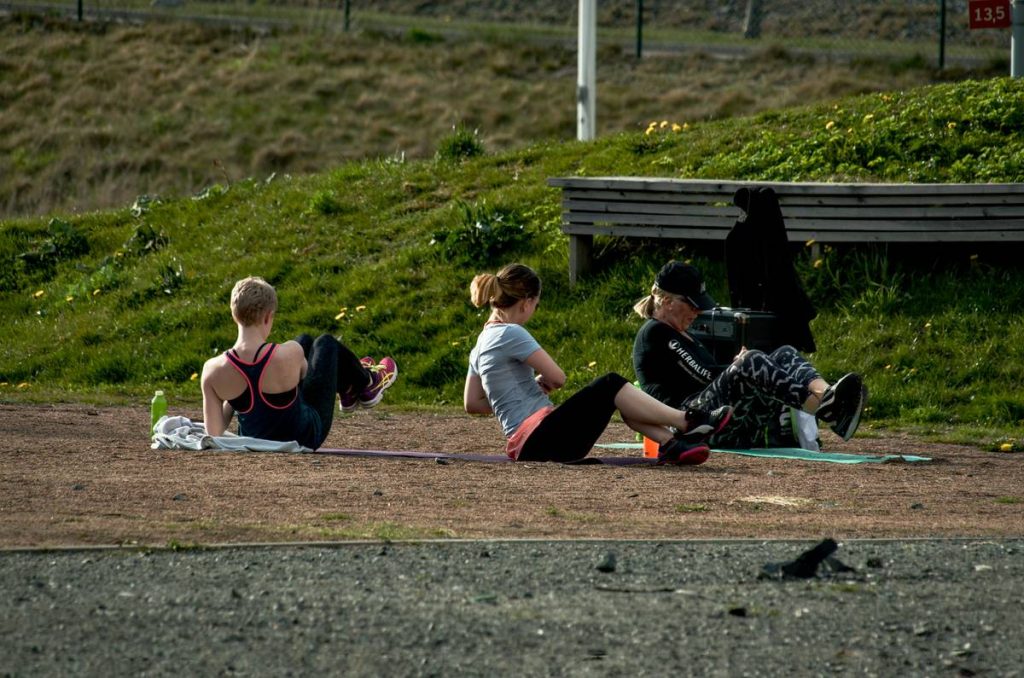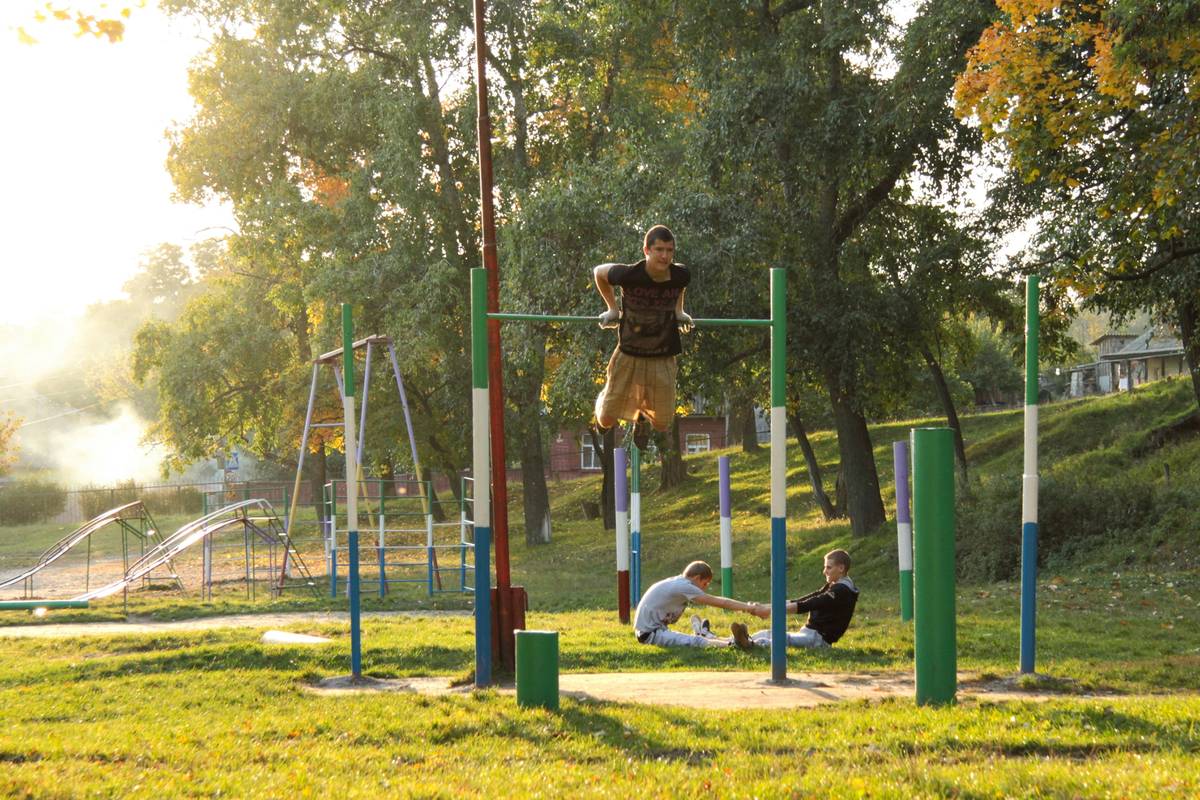
Most strength programs fail the moment you step off the gym floor. You can deadlift twice your bodyweight—yet struggle to hoist a soaked backpack over a log or scramble up a rain-slicked embankment. That’s not strength. That’s theater. Outdoor workouts for strength fix this disconnect by forcing your body to adapt to chaos, not climate-controlled predictability.
Why Gym Strength Melts in the Wild
Gyms reward repetition in fixed planes. Life outdoors doesn’t. A fallen tree isn’t aligned with your squat stance. River currents don’t respect your rep tempo. And fatigue hits differently when you’re miles from a water fountain.
Your nervous system craves variability—not just heavier weights. Yet 90% of “functional fitness” routines still chain you to barbells and benches. The result? Great Instagram clips. Poor survival odds.
How to Train Real Strength Outside (Without Gear or a Gym)
Forget chasing PRs on machines. True outdoor strength emerges from mastering three variables: instability, load unpredictability, and terrain negotiation. Here’s how:
Ground Force Drills on Uneven Terrain
Perform lunges or push-ups on slopes, roots, or loose gravel. Your stabilizers fire like alarm systems. Core engagement triples. And your ankles learn to read micro-terrain shifts before your brain catches up.
Natural Load Carries
Grab a log, sandbag, or even a filled dry bag. Walk uphill. Sideways across scree. Backwards down a ravine. Vary grip, distance, and weight weekly. This builds connective tissue resilience most lifters never develop.
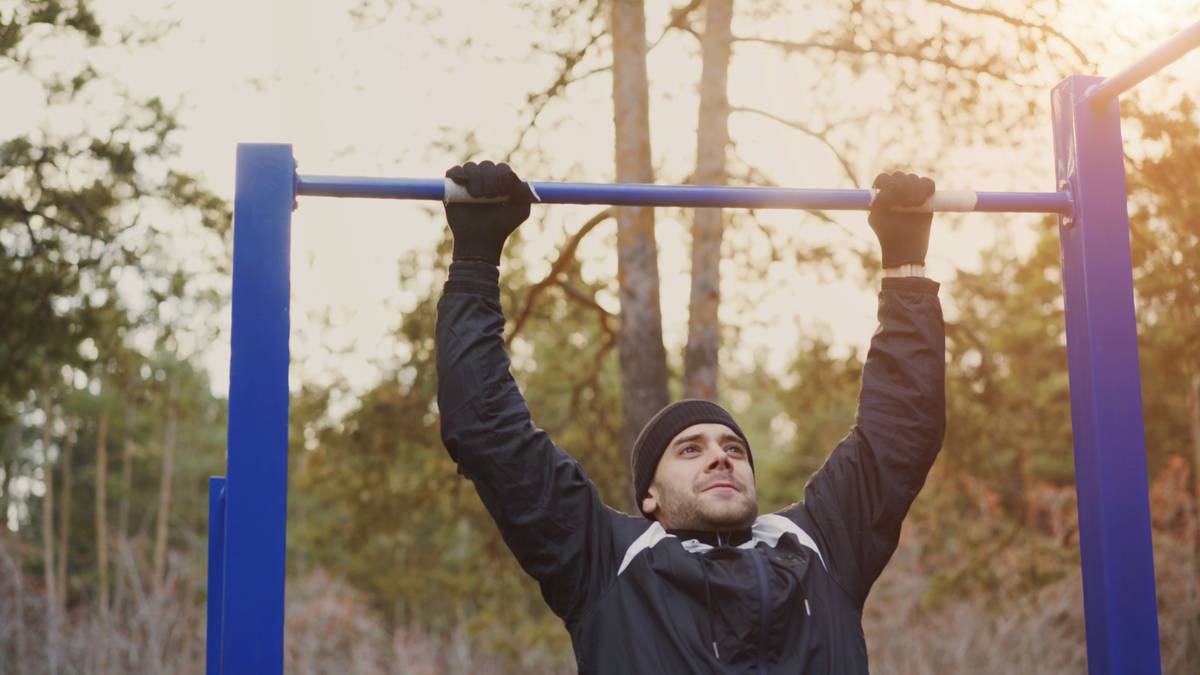
Pull-Ups That Mimic Real Movement
Ditch symmetrical bars. Use tree branches (check stability first!), ropes, or rock edges. Offset grips force unilateral strength. Overhand-to-underhand transitions mimic climbing or hauling scenarios.
| Exercise Type | Primary Strength Benefit | Minimal Equipment Needed | Best Terrain Match |
|---|---|---|---|
| Log Clean & Carry | Full-body power + grip endurance | Fallen timber (8–20 lbs) | Forest trails with elevation |
| Rock Drag Sled | Posterior chain under tension | Paracord + smooth river stone | Sandy or muddy flats |
| Incline Tree Push-Ups | Shoulder stability + core bracing | Sturdy trunk or boulder | Steep forested inclines |
| Stream Crossing Balance Squats | Ankle proprioception + quad control | None | Shallow, slow-moving water |
The Industry Secret: Progressive Terrain Over Progressive Weight
Here’s what elite wilderness guides won’t advertise: your biggest strength bottleneck isn’t muscle—it’s sensory input. Most people train *against* resistance. Outdoors, you must train *with* environmental feedback.
Example: Do 5 sets of step-ups on the same flat stump. Weak stimulus. Now do them on a mossy, sloped log after a rainstorm. Your CNS lights up. Heart rate spikes. Technique adapts instantly. That’s adaptive strength. And it compounds faster than adding 10 lbs to a barbell.
Real talk? You don’t need more protein shakes. You need more *unstable seconds*—moments where your body improvises mid-rep. That’s where survival-ready strength is born.
Frequently Asked Questions
Can you build serious muscle with only outdoor workouts for strength?
Yes—if you prioritize time under tension and eccentric control. Muscle growth follows mechanical tension, not iron plates. Logs, rocks, and hills provide more variable tension than most machines.
How often should I do outdoor strength sessions?
2–3 times weekly. Recovery matters more outside—your joints absorb impact from unpredictable surfaces. Never train on consecutive days without assessing terrain fatigue.
Are outdoor workouts safe without a spotter?
Safer than you think—with smart scaling. Start low (e.g., knee push-ups on dirt), master form, then add complexity—not weight. Nature offers instant feedback; listen before you push.