Most fitness plans crumble the moment you step off the gym floor. Treadmills won’t teach you how to navigate a river crossing. Resistance bands won’t stabilize your core on shifting scree. You’re training hard—but for the wrong environment. The solution? Outdoor guide training Canada isn’t just cardio; it’s functional resilience forged in wind, rain, and uneven terrain.
Why Standard Workouts Fail in the Wild
Gym routines optimize for mirrors, not mountains. They isolate muscles in stable conditions—exactly the opposite of what backcountry survival demands. Balance? Coordination under load? Thermoregulation while moving uphill with 30 lbs on your back? Forget it.
And don’t blame yourself. The system sets you up to fail. Indoor training lacks unpredictability—the very thing that builds true outdoor competence. Think about it: nature doesn’t give you flat surfaces or climate control. So why train like it does?
Step-by-Step Outdoor Guide Training Canada Protocol
This isn’t “trail running with extra steps.” It’s structured field conditioning designed by seasoned guides who’ve led expeditions across the Rockies, Appalachians, and Arctic tundra. Start here—and adapt as terrain dictates.
Phase 1: Terrain-Specific Endurance (Weeks 1–4)
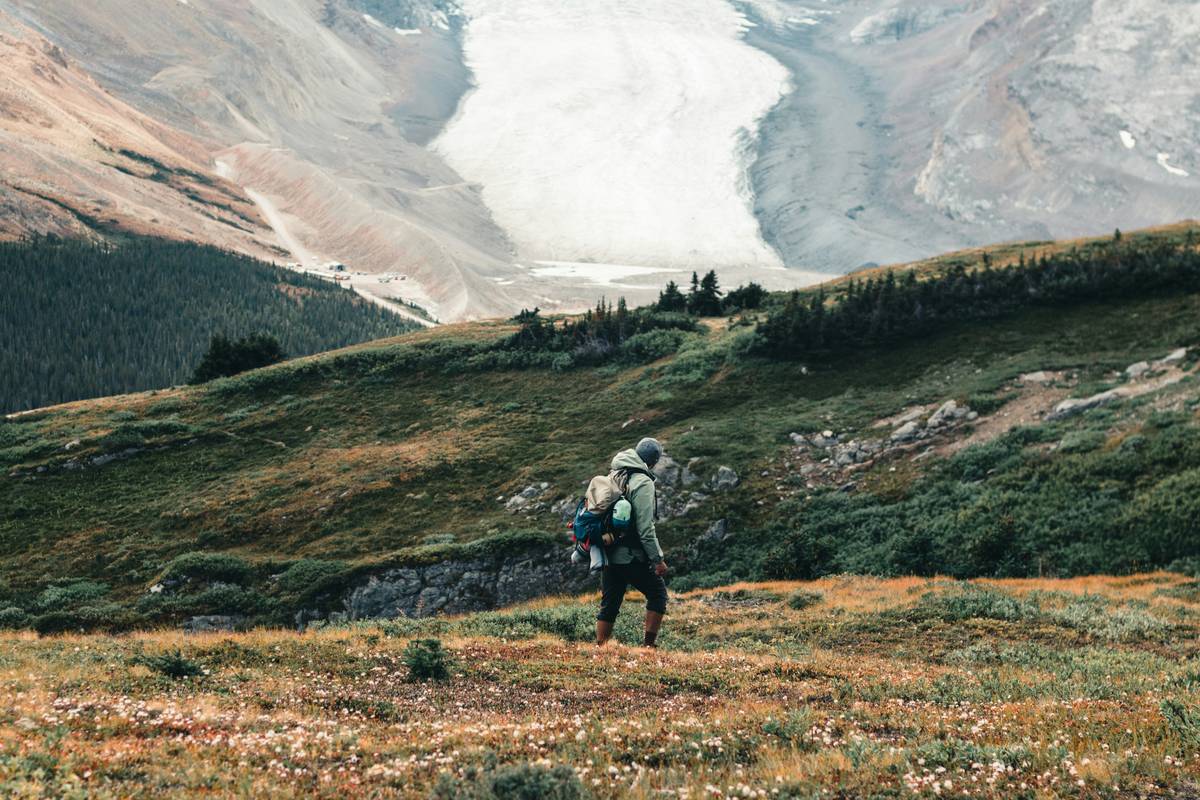
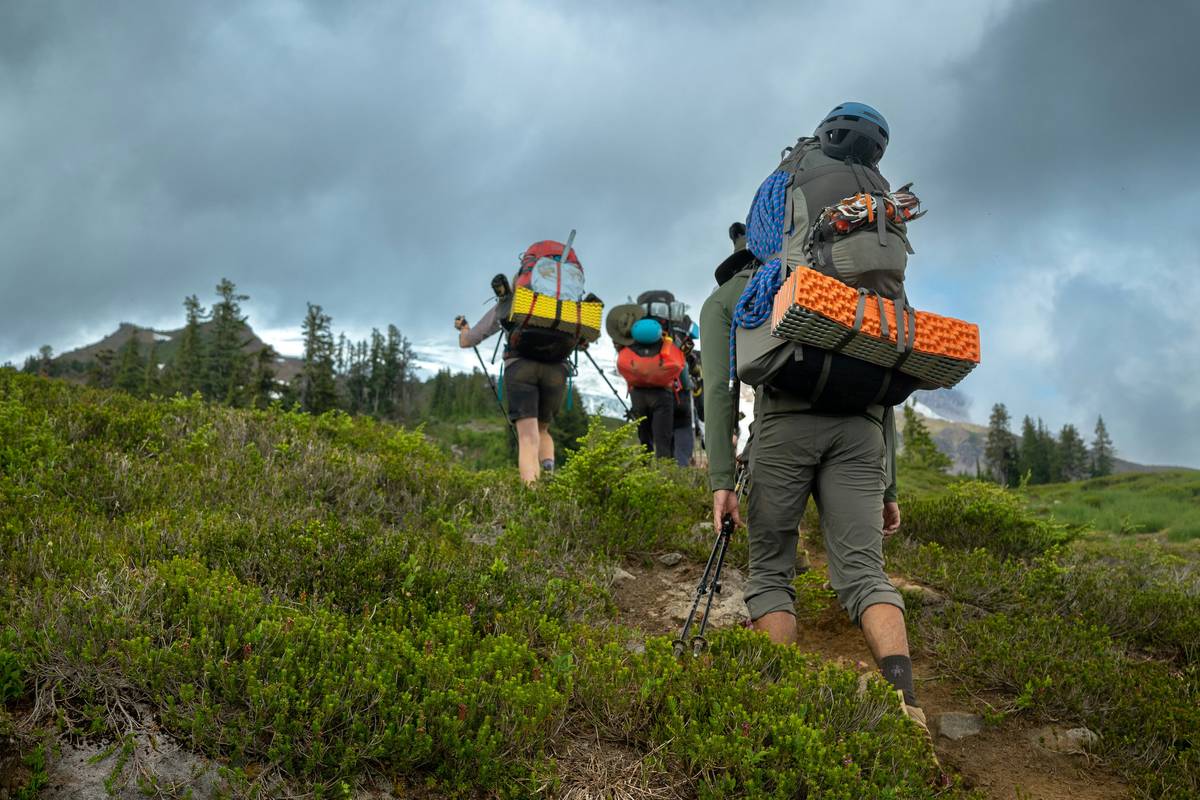
Hike loaded (20–25% body weight) on variable inclines. Focus on heart rate zones 2–3—not speed. Your goal: sustain effort for 3+ hours without bonking. Include stream crossings and loose-rock descents deliberately. These aren’t obstacles—they’re drills.
Phase 2: Load-Bearing Strength & Stability (Weeks 5–8)
Ditch the barbell. Use sandbags, logs, or weighted packs for farmer’s carries, step-ups on boulders, and single-leg deadlifts on slopes. Train unilateral strength—your left leg shouldn’t be a liability on switchbacks.
Phase 3: Environmental Adaptation Drills (Ongoing)
Cold mornings? Train fasted in light layers. Rain forecast? Get wet—on purpose. Heatwave? Hydrate aggressively and move during peak sun to condition thermoregulation. Discomfort is data. Listen to it.
| Training Element | Gym Equivalent | Real-World Outdoor Demand | Canada-Specific Adjustment |
|---|---|---|---|
| Cardiovascular Base | Steady-state treadmill | Variable-pace hiking with elevation | Train year-round—snowshoeing counts as cardio |
| Core Stability | Planks on mat | Carrying uneven loads over roots/rocks | Add ice axe balancing drills on frozen lakes |
| Leg Strength | Leg press machine | Uphill scrambling + controlled descents | Use alpine trails with >800m elevation gain |
| Mental Resilience | N/A | Navigating fatigue in whiteout conditions | Simulate navigation stress with GPS blackout exercises |
The Industry Secret: Guides Don’t “Get Fit”—They Stay Functional
Here’s what certification programs won’t tell you: elite Canadian guides rarely follow periodized gym splits. Instead, they maintain functional readiness year-round through micro-sessions—20-minute hill repeats before work, pack-loaded walks after dinner, balance drills while waiting for coffee. Consistency beats intensity when your job depends on showing up capable every single day. The math is simple: 6 days a week of 30 minutes outdoors beats 2 brutal weekend warrior sessions. And most fail because they treat training as an event—not a lifestyle.
Frequently Asked Questions
Do I need prior experience for outdoor guide training Canada?
No—but baseline fitness helps. You should comfortably hike 10 km with a 15 kg pack before enrolling in professional programs.
What gear is essential for beginner outdoor fitness training?
Start with waterproof boots, a 30L pack, moisture-wicking layers, and a basic first-aid kit. Skip expensive gadgets—focus on reliability over features.
Can I train effectively in urban Canada during winter?
Absolutely. Stairwells simulate elevation. Parks offer snow resistance. Even frozen sidewalks build ankle stability. Creativity beats convenience.