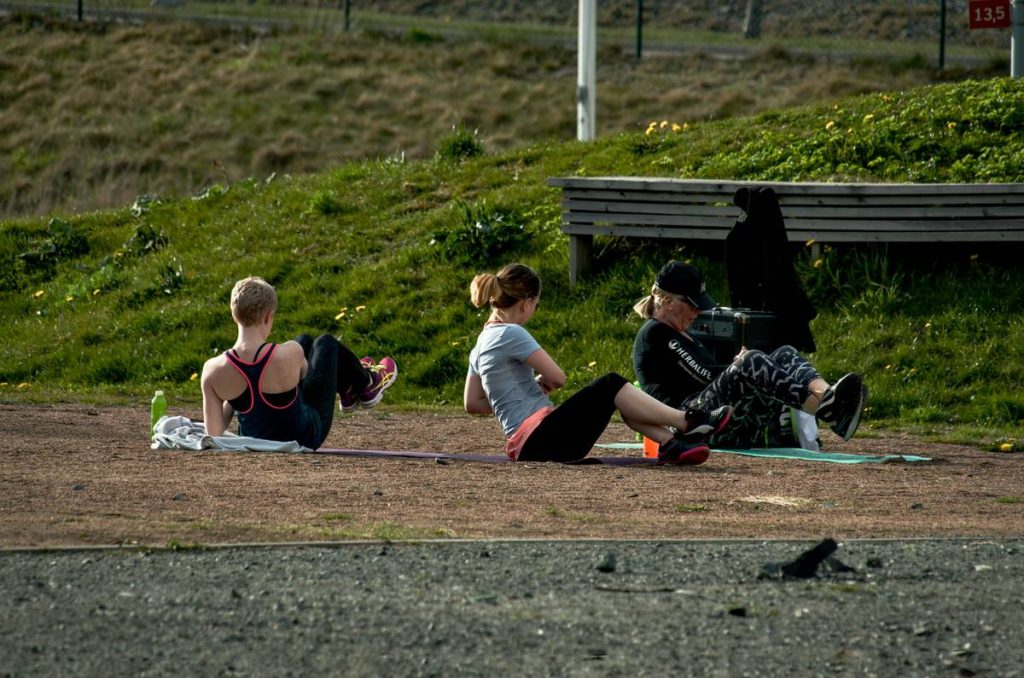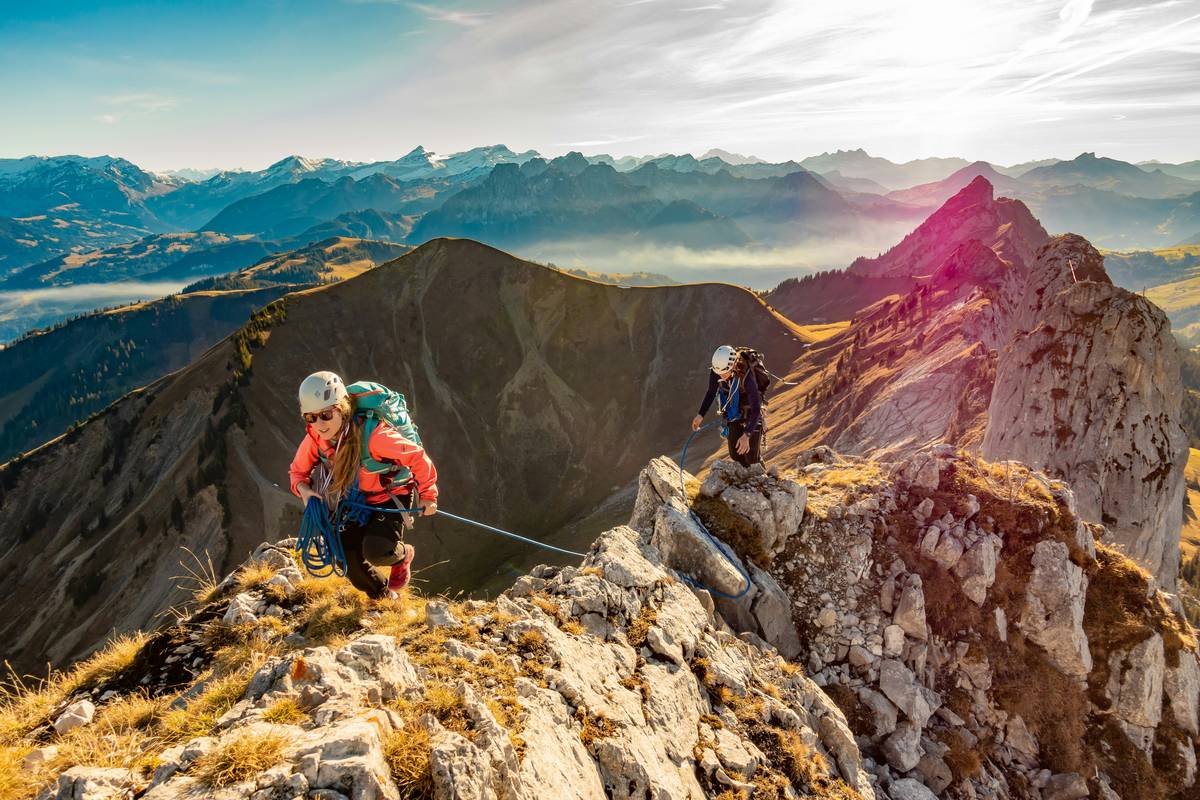
You’ve tried treadmills. You’ve maxed out gym memberships. Yet your body still falters on uneven trails, steep inclines, or river crossings. The problem isn’t effort—it’s context. Gym fitness rarely translates to the wild. Outdoor guide training fixes that disconnect—by forcing your body to adapt where nature demands it.
Why Traditional Workouts Fail in the Wild
Gyms are predictable. Nature isn’t. Treadmills flatten terrain. Machines isolate muscles. But scramble up a scree slope? Now you need balance, grip, core stability—and mental grit—all at once.
Most “functional” routines mimic movement without consequence. Slip on a Bosu ball? No big deal. Slip on wet granite at 8,000 feet? That’s different. The stakes reshape your physiology—if you train right.
Outdoor Guide Training: Your Step-by-Step Field Protocol
Forget sets and reps. Think scenarios and responses. True outdoor guide training blends locomotion, load management, and environmental interaction into one seamless loop.
Step 1: Master Uneven Terrain Walking
Start with 30-minute hikes on rocky or root-laced paths—no poles, no shortcuts. Let your ankles wobble. They’ll strengthen fast.
Step 2: Integrate Load + Motion Drills
Carry 15–25% of your bodyweight in a pack. Then climb, descend, sidestep. Not for time. For control. Feel every shift in your center of gravity.
Step 3: Add Reactive Upper-Body Cycles
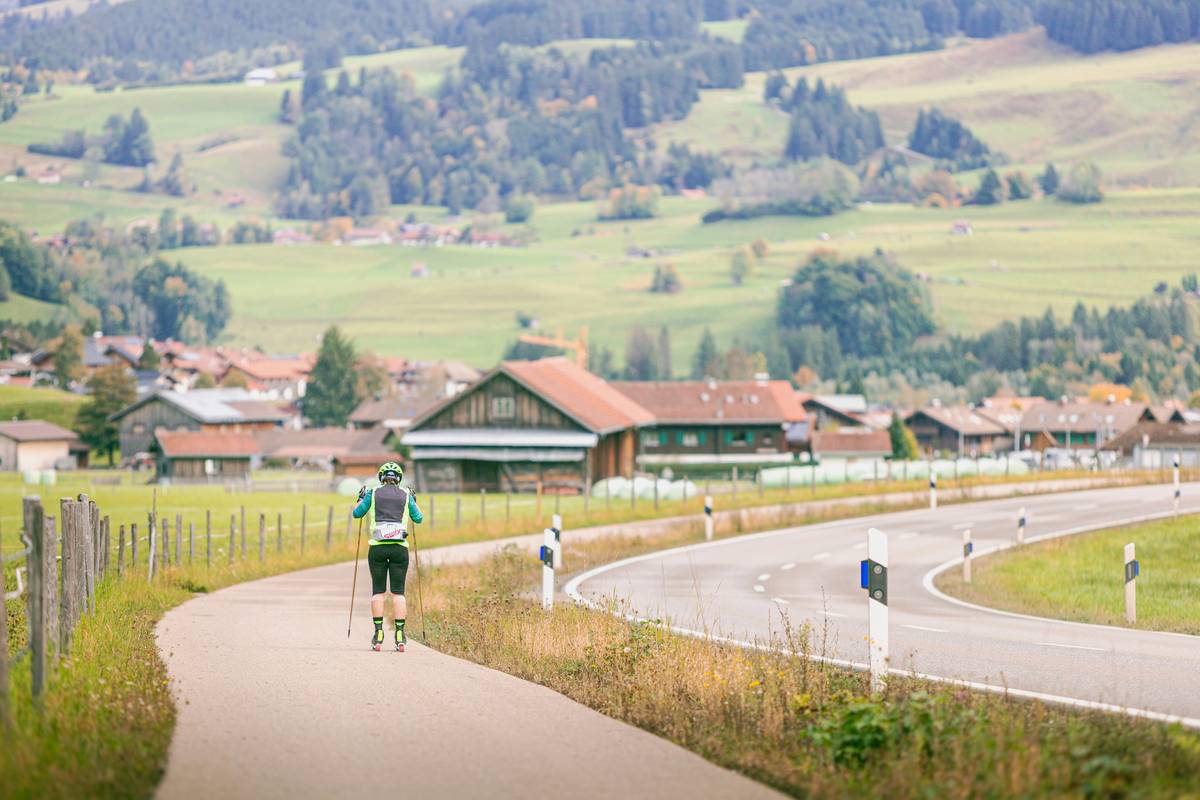
After 45 minutes of hiking, stop. Do 3 rounds of: 10 push-ups (on dirt), 8 pull-ups (from a branch or suspension trainer), 12 rock tosses (use fist-sized stones, 10–15 lbs). This simulates real-world rescue or camp setup fatigue.
| Element | Gym Equivalent | Outdoor Guide Training Version | Real-World Payoff |
|---|---|---|---|
| Cardio | Steady-state treadmill | Variable-incline hill repeats (natural terrain) | Heart adapts to sudden elevation shifts |
| Strength | Leg press machine | Rock-step lunges with 20-lb pack | Knee stability on loose scree |
| Balance | Wobble board | Boulder-hopping across streams | Instant micro-adjustments mid-stride |
| Endurance | 45-min elliptical | All-day approach + descent under load | Sustained focus when exhausted |
The Industry Secret: Train “Downhill” First
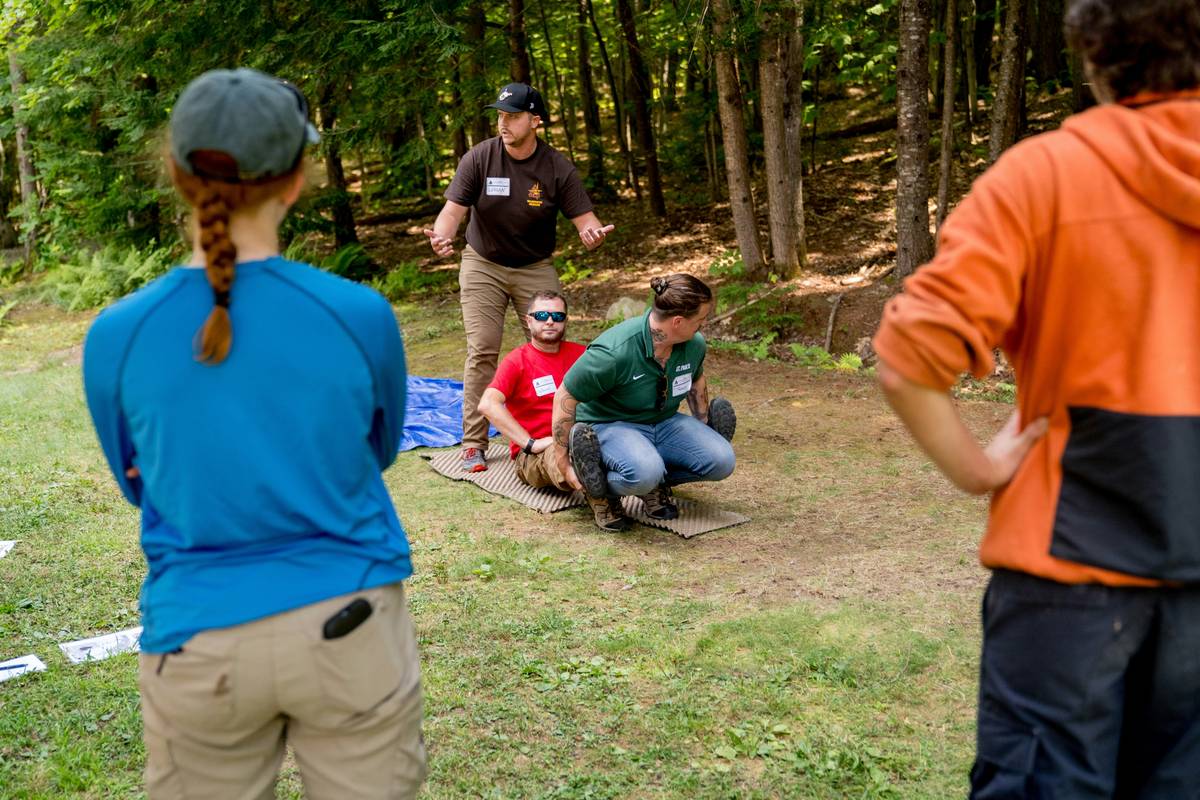
Here’s what guide schools won’t advertise upfront: downhill movement breaks most athletes. Quads scream. Knees buckle. And yet—it’s where injuries happen.
So flip the script. Start your week with controlled descents—slow, deliberate, knees slightly bent, torso upright. Do this before you ever touch an uphill session. Why? Eccentric loading builds tendon resilience faster than any concentric lift. Guides who skip this burn out in year two. Those who embrace it lead for decades.
Frequently Asked Questions
What gear do I need for outdoor guide training?
Minimal gear. A durable pack, trail runners with grip, and weather-ready layers. Skip fancy gadgets—your body is the tool.
How often should I train outdoors vs. indoors?
Aim for 3 outdoor sessions weekly if preparing for field work. Indoors only supplements recovery or targets specific weaknesses.
Can beginners do outdoor guide training safely?
Yes—but start flat and light. Master walking before climbing. Respect progression, not heroics.