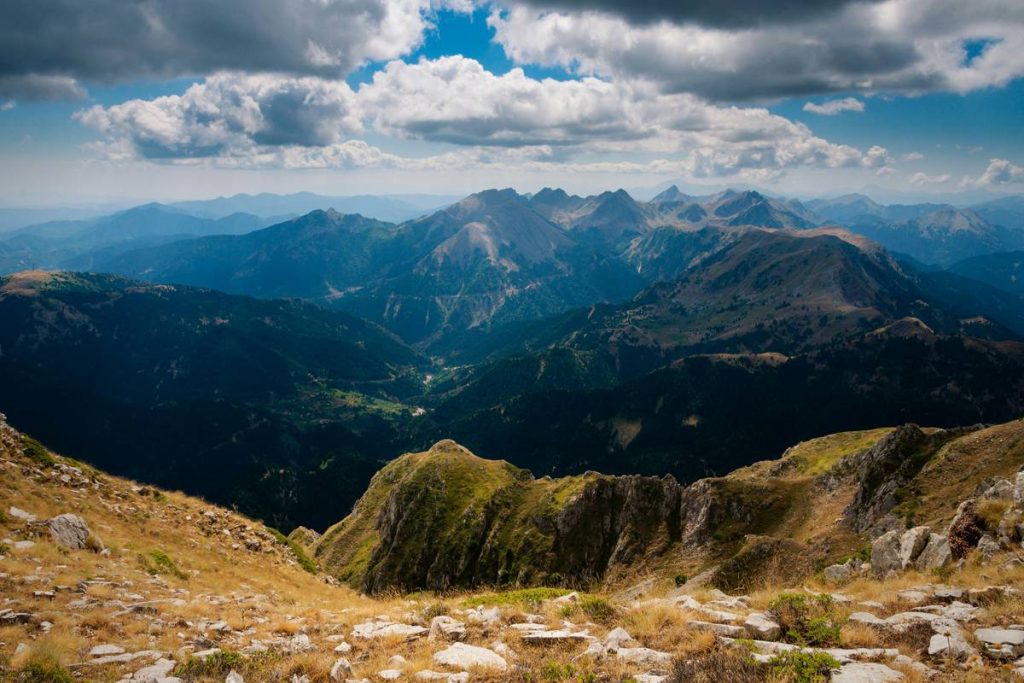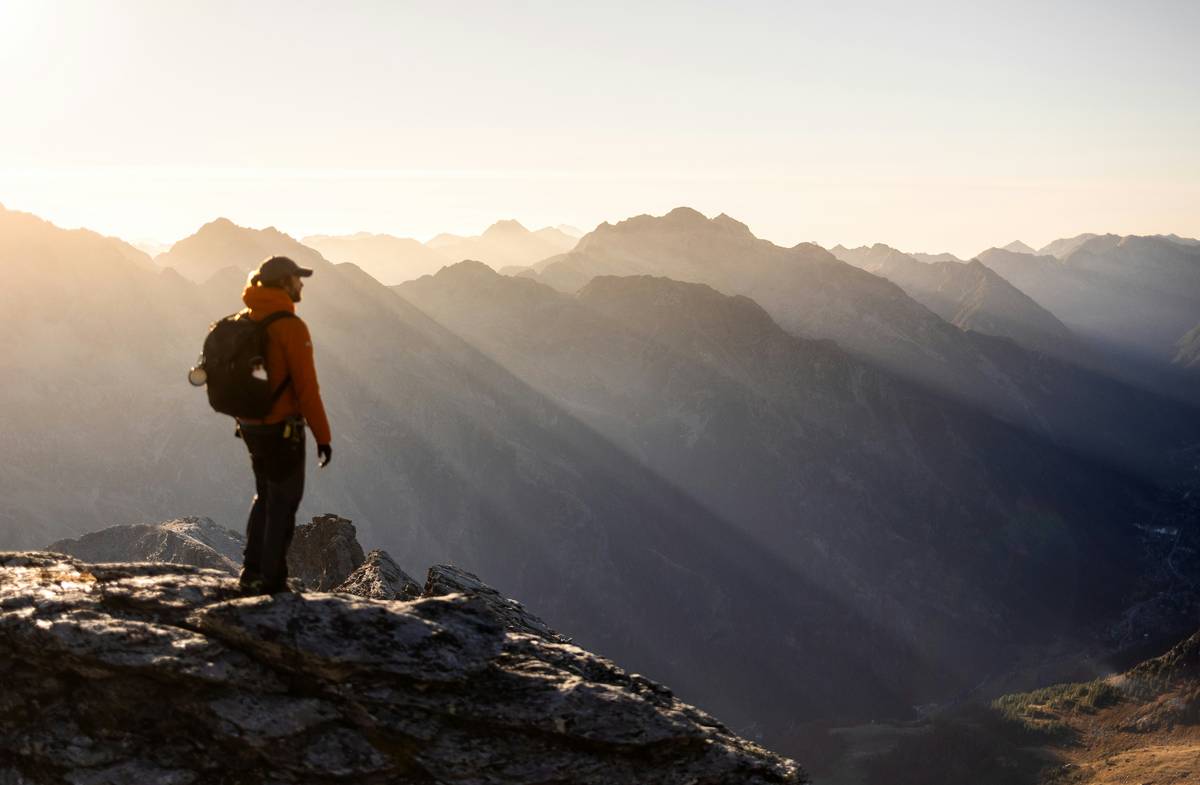
Ever feel like your “workout” is just scrolling through fitness reels while your glutes nap on the couch? You’re not alone. In fact, the CDC reports that only 24.2% of U.S. adults meet both aerobic and muscle-strengthening activity guidelines. But here’s the kicker: what if you could ditch the gym fluorescent lights, skip the $80/month membership, and still torch calories—while soaking in pine-scented air and summit views?
This post dives deep into the hiking trekking health benefit of great magnitude—not just for your quads, but your brain, heart, and soul. Drawing from 7+ years guiding wilderness expeditions, peer-reviewed research, and my own humbling wipeout on a rain-slicked trail in Patagonia (more on that soon), you’ll learn:
- How hiking stacks up against traditional cardio (spoiler: it’s often better)
- Science-backed mental and physical perks you can’t get on a treadmill
- Practical tips to start—even if you live near zero mountains
- Real case studies of people who transformed their health with trails
Table of Contents
- Key Takeaways
- Why Is the Hiking Trekking Health Benefit of Great Importance?
- How to Start Hiking for Real Fitness Gains
- Pro Tips to Maximize Every Step
- Real People, Real Results
- FAQs About Hiking & Health
Key Takeaways
- Hiking burns 400–700+ calories/hour, depending on terrain and pack weight.
- Just 20 minutes in nature lowers cortisol (the stress hormone) by 13.4% (Frontiers in Psychology, 2019).
- Regular trekkers show 30% lower risk of hypertension vs. sedentary peers (American Heart Association).
- You don’t need mountains—urban parks and forest preserves count.
- Start slow. Your first hike shouldn’t end with you Googling “how to walk again.”
Why Is the Hiking Trekking Health Benefit of Great Importance?
Let’s be real: most “outdoor fitness” content makes it sound like you need a $300 moisture-wicking shirt and summit Kilimanjaro to qualify. Nope. Hiking—whether it’s a 1-mile loop at your local state park or a multi-day backcountry trek—is functional, accessible movement that engages your entire body and nervous system in ways gyms simply can’t replicate.
I learned this the hard way. On my third solo trek in Torres del Paine, I skipped leg day for two weeks before the trip (rookie error). Halfway up the Base of the Towers trail—steep, loose scree, wind howling like a banshee—I cramped so bad I had to sit down and eat a Cliff Bar under a rock overhang while llamas stared judgmentally. That day, I realized: hiking isn’t just walking. It’s unstable terrain navigation, dynamic balance, load carriage, and elevation management—all while breathing air that hasn’t been recycled through an HVAC unit.
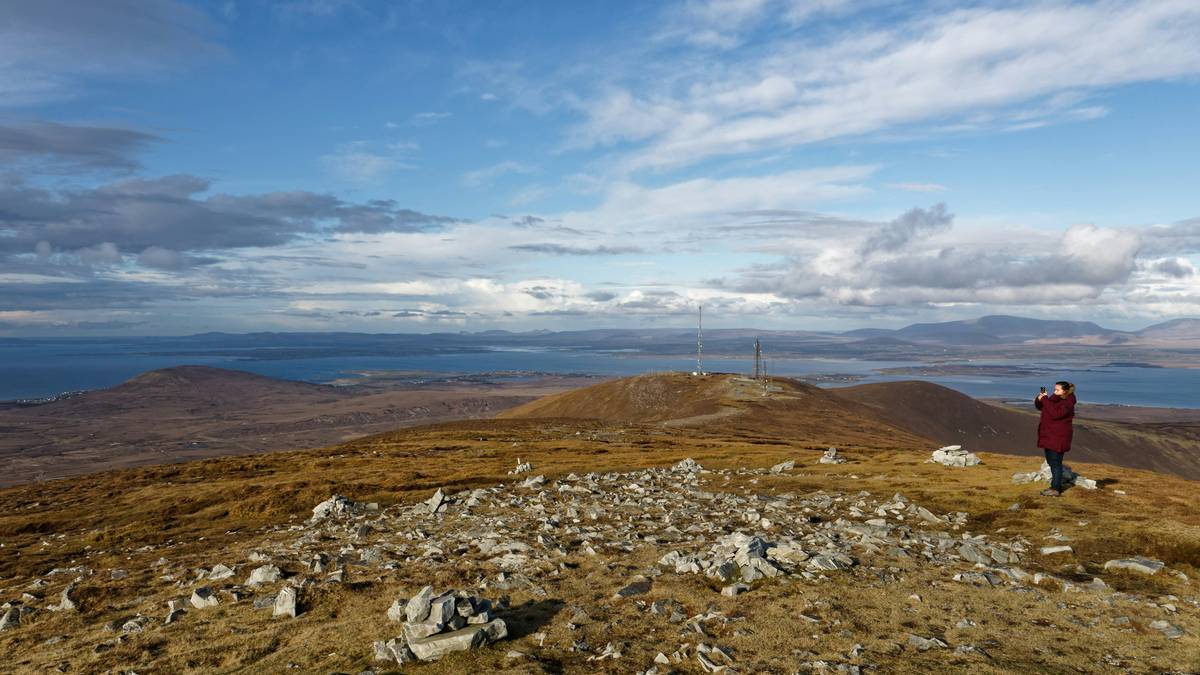
Peer-reviewed evidence backs this up. A 2022 meta-analysis in Preventive Medicine Reports found that regular hikers had significantly lower BMI, resting heart rate, and systemic inflammation markers compared to non-hikers—even when controlling for other exercise. Why? Because uneven ground forces your ankles, hips, and core to fire constantly. Your treadmill? Predictable. Nature? Chaotic. And your body thrives on chaos.
How to Start Hiking for Real Fitness Gains
Optimist You: “I’m going to crush 10 miles this weekend!”
Grumpy You: “Ugh, fine—but only if coffee’s involved and there’s a bench every 0.5 miles.”
We’ve all been there. Here’s how to build sustainable trail fitness without burning out:
What gear do I actually need?
Forget Instagram influencers with ultralight carbon poles. Start with:
- Trail runners or hiking shoes with grip (not fashion sneakers)
- 2L water bladder or bottle (dehydration = cramps + fogbrain)
- Snacks with protein + carbs (think: almond butter packets + dates)
- First-aid basics (blister pads are non-negotiable)
Where do I find trails if I’m not near mountains?
Use AllTrails or Gaia GPS. Filter for “easy” or “moderate,” under 3 miles, and elevation gain under 300 ft. Even city dwellers have options: NYC’s Inwood Hill Park, Chicago’s Deer Grove Trail, or Portland’s Forest Park offer legit woodland immersion.
How often should I go?
Start with one 60–90 minute hike per week. Consistency beats heroics. After 4 weeks, add distance or elevation—not both at once.
Pro Tips to Maximize Every Step
Now that you’re lacing up, here’s how to squeeze every drop of benefit from the trail:
- Walk uphill sideways occasionally: Engages glutes and inner thighs differently—great for joint stability.
- Carry a light pack (5–10% of body weight): Boosts calorie burn by ~20% and mimics functional strength training.
- Practice “forest bathing” mindfulness: Pause for 5 minutes. Breathe deeply. Observe birds, textures, smells. This amplifies stress reduction.
- Post-hike protein within 45 mins: Rebuilds microtears—try chocolate milk or Greek yogurt + berries.
A Terrible Tip You’ll See Online (Don’t Do This)
“Skip water to ‘lighten your load.’” NO. Dehydration impairs thermoregulation, increases injury risk, and negates nearly all cardiovascular benefits. Always carry water—even on short hikes.
Rant Time: My Niche Pet Peeve
People treating trails like a photo shoot runway. Newsflash: that perfectly posed “casual lean” on a cliff edge? Dangerous. And those disposable snack wrappers left behind? They don’t vanish. Pack it in, pack it out. Trails aren’t your personal green-screen studio—they’re shared ecosystems. Respect them.
Real People, Real Results
Case Study #1: Maria, 52, accountant from Denver
– Struggled with anxiety and prediabetes
– Started with 1.5-mile flat loops twice/week
– After 6 months: HbA1c dropped from 5.9 to 5.4; stopped Xanax
– Now hikes 8–10 miles weekly in Rocky Mountain NP
Case Study #2: James, 29, software dev in Austin
– Sedentary job, chronic low back pain
– Joined a local hiking group; began with Barton Creek Greenbelt trails
– Within 3 months: Reduced lumbar pain by 70% (per physical therapist notes)
– Lost 18 lbs without changing diet—just consistent trail time
These aren’t outliers. A 2019 study in International Journal of Environmental Research and Public Health tracked 1,200 adults and found that those who hiked ≥2x/month showed significant improvements in mood, sleep quality, and metabolic markers within 90 days.
FAQs About Hiking & Health
Is hiking good for weight loss?
Yes—if paired with mindful eating. A 180-lb person burns ~550 calories/hour on moderate terrain. Combined with muscle retention (from hills), it’s highly effective for fat loss.
Can hiking replace the gym?
For general health? Absolutely. For bodybuilding or powerlifting goals? Supplement with resistance training. But for heart health, mobility, and mental wellness? Trails win.
What if I have bad knees?
Stick to flat or downhill-first routes (downhill stresses knees more). Use trekking poles—they reduce joint impact by 25%. Strengthen quads off-trail with step-ups.
How long until I see benefits?
Mental clarity: within one hike. Cardiovascular gains: 4–6 weeks. Noticeable strength/endurance: 8–12 weeks.
Conclusion
The hiking trekking health benefit of great impact isn’t some influencer myth—it’s physiology meeting psychology in the wild. From slashing stress hormones to building resilient joints and hearts, trails offer a full-body reset you can’t buy in a boutique fitness class.
Start small. Respect the land. Listen to your body. And remember: every elite mountaineer once face-planted on mile one. Your journey begins with a single step—preferably on dirt, not a treadmill belt.
Like a Tamagotchi, your vitality needs daily care. Feed it fresh air, not just Wi-Fi signals.
Haiku Break:
Mud on my boots,
Heart pounding, lungs full of pine—
Nature’s gym, open.